

Our Areas of Focus
The work of the Swaziland Charitable Trust is organised around three core programme areas that respond directly to local needs in Eswatini: education, agriculture, and social welfare. Through grants, training, and partnerships, the Trust supports initiatives that strengthen communities and improve long-term wellbeing.

Education
The main target for our education programme is community primary schools especially in rural areas where poverty and need are greatest. Centres of excellence are also supported.
School facilities are improved by the construction of new classrooms and the provision of boreholes, electricity, equipment and furniture. Gardening projects which improve both skills and nutrition are supported.

Social Welfare
With little government support and the continuing erosion of family structures, there is an increased need to support the marginalised and vulnerable. The SCT provides support for a broad range of Non-Governmental Organisations serving the disabled, the abused, the homeless, the terminally ill, the unemployed, and orphans.
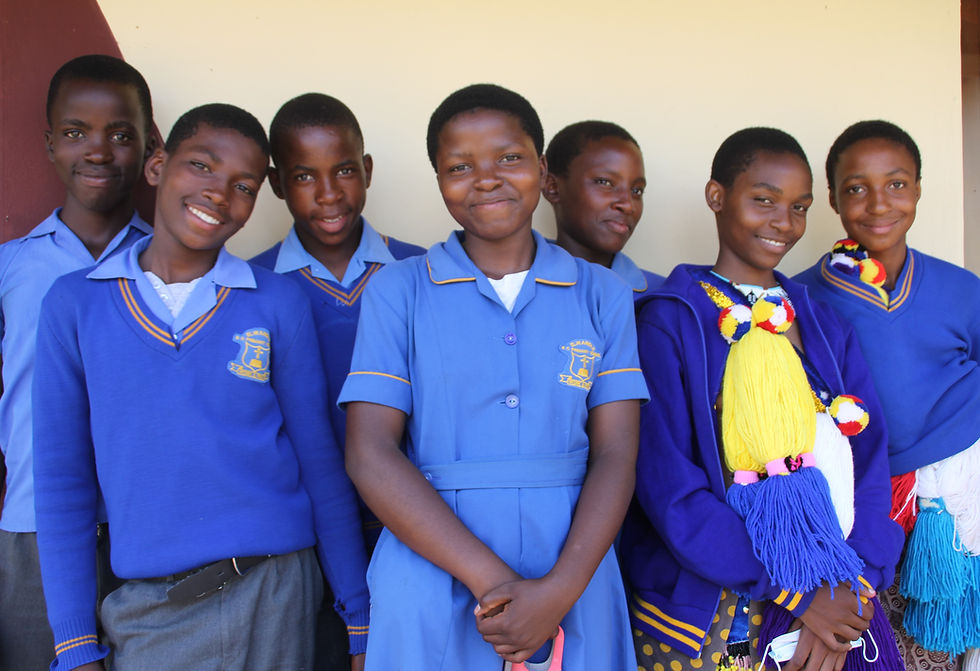
Our orphan sponsorship programme is part of our response to the HIV/AIDS crisis facing the nation. Supported children are helped with school fees, uniforms, and learning materials. Children who have lost both parents and those suffering the greatest material hardship are targeted. As these children commonly experience extra difficulties at school, continued sponsorship isn't linked to performance in primary school. Progression through high school depends upon ability and the most promising students are supported through their tertiary education.

Agriculture
The agricultural programe targets low-rainfall areas where food shortages are severe. In rural communities, unemployment exceeds 25% and nearly half the population lives in poverty. Recurrent droughts affecting almost one-third of the country have had devastating consequences, with food relief required in four of the last ten years.
The Trust supports training, research, and income-generating activities that help communities become more resilient. Food insecurity is often worsened by the impact of HIV/AIDS within households. The most vulnerable families are supported through innovative agricultural projects that improve food production and income, including techniques such as trench gardening.
